7 Signs a Tree Needs Removing Before Winter in Akron-Cleveland
Dead limbs, leaning trunks, fungus and cracks: 7 warning signs a tree should come down before Ohio winter storms hit. Free estimates.
Northeast Ohio winters are hard on trees. Heavy lake-effect snow, ice storms and gusty winds put a lot of extra weight and stress on branches and trunks. A tree that looked fine all summer can come down on a roof, a car or a power line in January. The best time to deal with a hazardous tree is in the fall, before the ground freezes and before the first big storm. Here are seven signs it may be time to remove a tree before winter.
1. Large dead branches or a dead crown
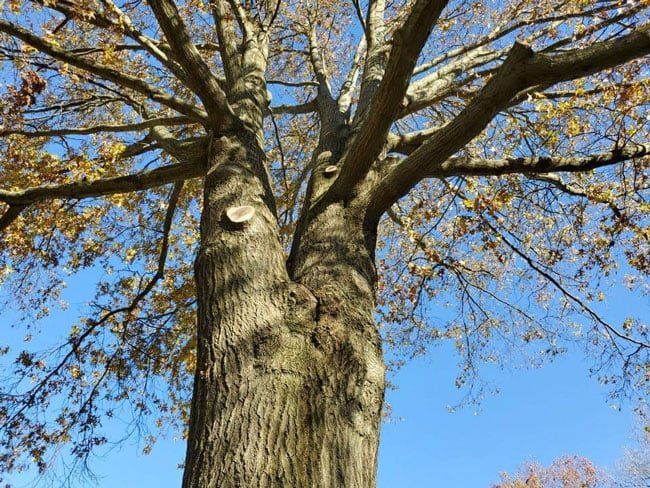
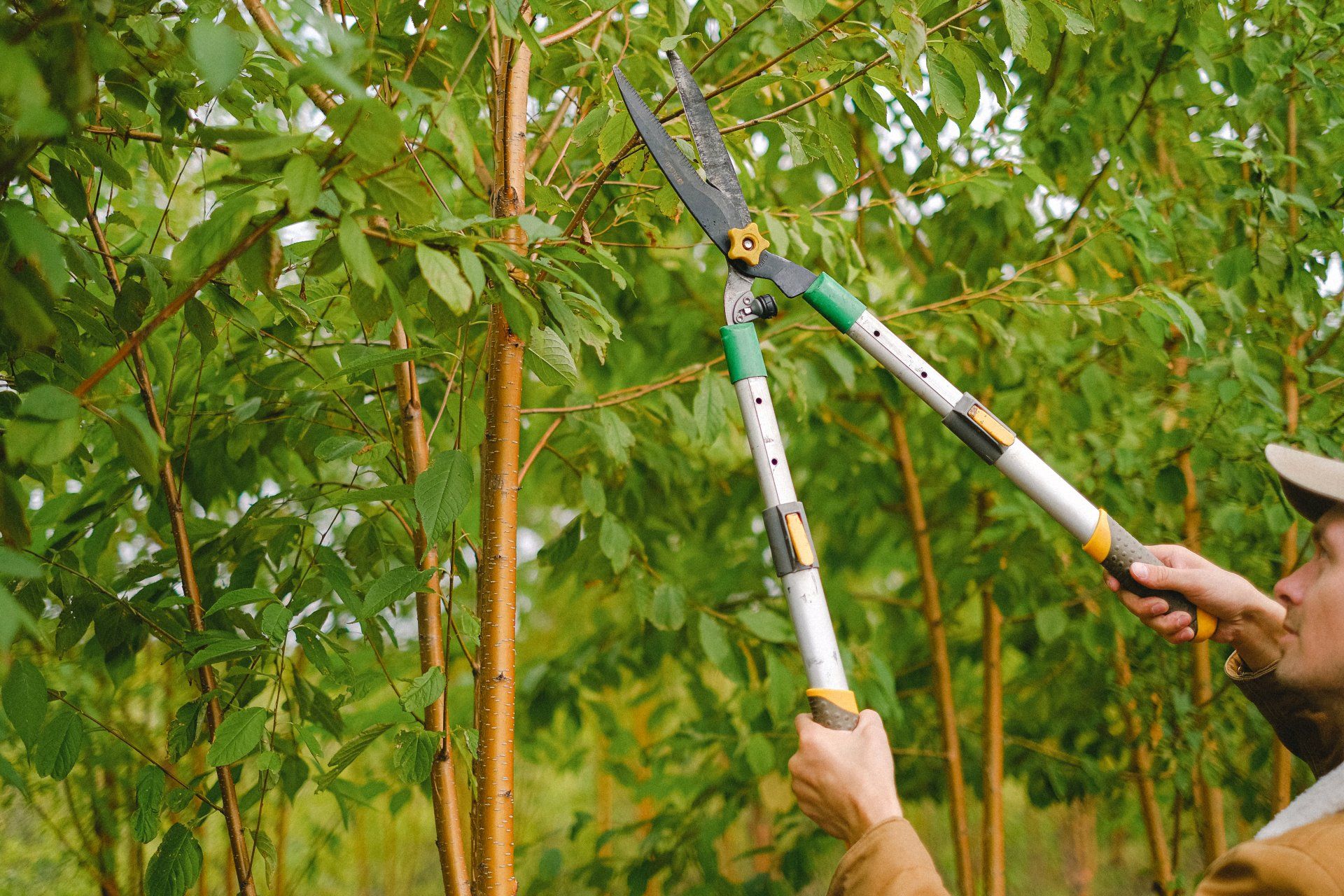
Once the leaves drop, it gets easier to see which limbs are dead. Dead wood is brittle. It doesn't bend under snow and ice, it snaps. If more than about a quarter of the crown is dead, or the dead limbs hang over your house, driveway or a play area, the tree should be looked at right away. Sometimes pruning is enough. When most of the canopy is dead, removal is usually the safer choice.
2. A new or worsening lean
Many trees grow with a slight lean and are perfectly stable. What matters is change. If a tree has started leaning recently, or you see cracked or heaving soil on the side opposite the lean, the roots may be failing. Saturated fall soil followed by freeze-thaw cycles can make a weak root system give way fast.
3. Cracks and splits in the trunk
Deep vertical cracks, splits where two main stems meet (called a "V" union), or cracks that go all the way through the bark are serious. Under the weight of ice, a split trunk can tear apart. Trees with these defects are among the most common sources of winter storm damage we see.
4. Fungus, mushrooms or soft wood at the base
Mushrooms, conks (shelf-like growths) or crumbly, soft wood near the base of a tree usually mean internal decay. Rot at the roots or lower trunk is hard to see, but it can hollow out a tree that still looks green on top. If you can push a screwdriver easily into the wood, call a professional.
5. Hollow or cavity-filled trunks
A small cavity isn't always a death sentence, but large hollows reduce the strength of the trunk. Woodpeckers, carpenter ants and bees often move into decaying trees, which is another sign of trouble.
6. Root damage from construction or grading
New driveways, sidewalks, utility trenches and patios often cut through major roots. The damage can take a year or two to show up as thinning leaves and dieback. A tree that has lost a big share of its roots is much more likely to topple in a winter windstorm.
7. Dead or dying ash trees
The emerald ash borer has killed most untreated ash trees across Ohio. Dead ash dries out and becomes very brittle quickly, which makes it dangerous to remove later. If you still have a dead or declining ash on your property, removing it before winter is strongly recommended.
Why fall is the right time
- Easier access. Firm, dry ground means less lawn damage from equipment.
- Better visibility. With the leaves gone, defects are easier to spot.
- Prevention beats emergency. Planned removal costs less than emergency cleanup after a tree has already fallen.
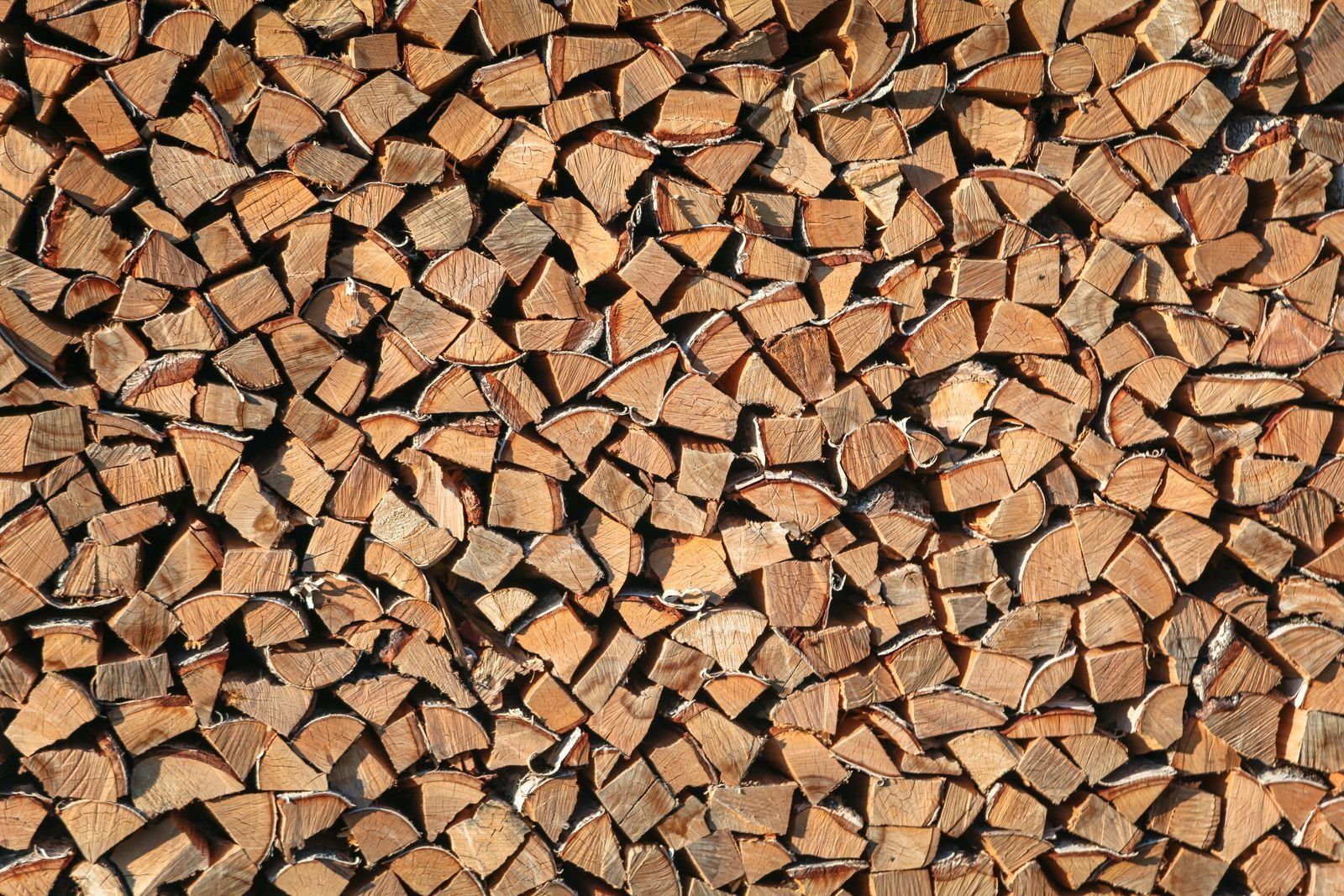
- Firewood. Wood from a removed tree can be cut and split for future seasons.
Get a free estimate
Not sure whether your tree needs pruning or removal? Mike Jones & Sons Tree Service offers free estimates. Call or text us to schedule a visit, and an arborist will look at your tree and give you a clear price.
Call (234) 300-2311 or visit mikejonessonstreeservice.com to request your free estimate.
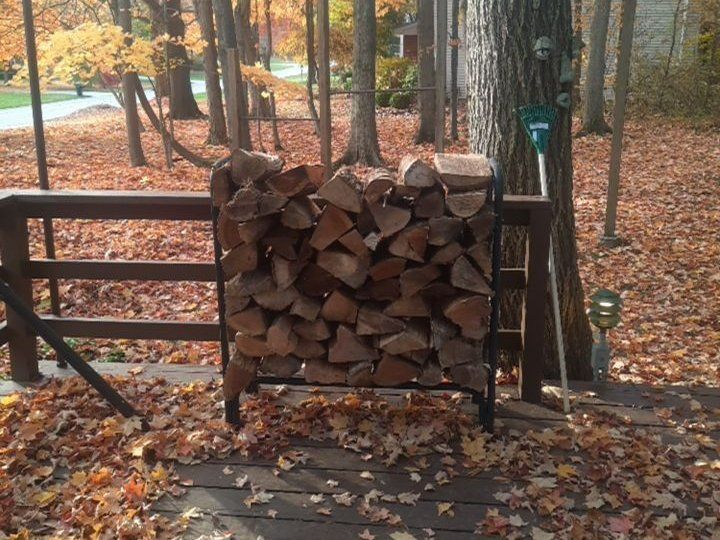
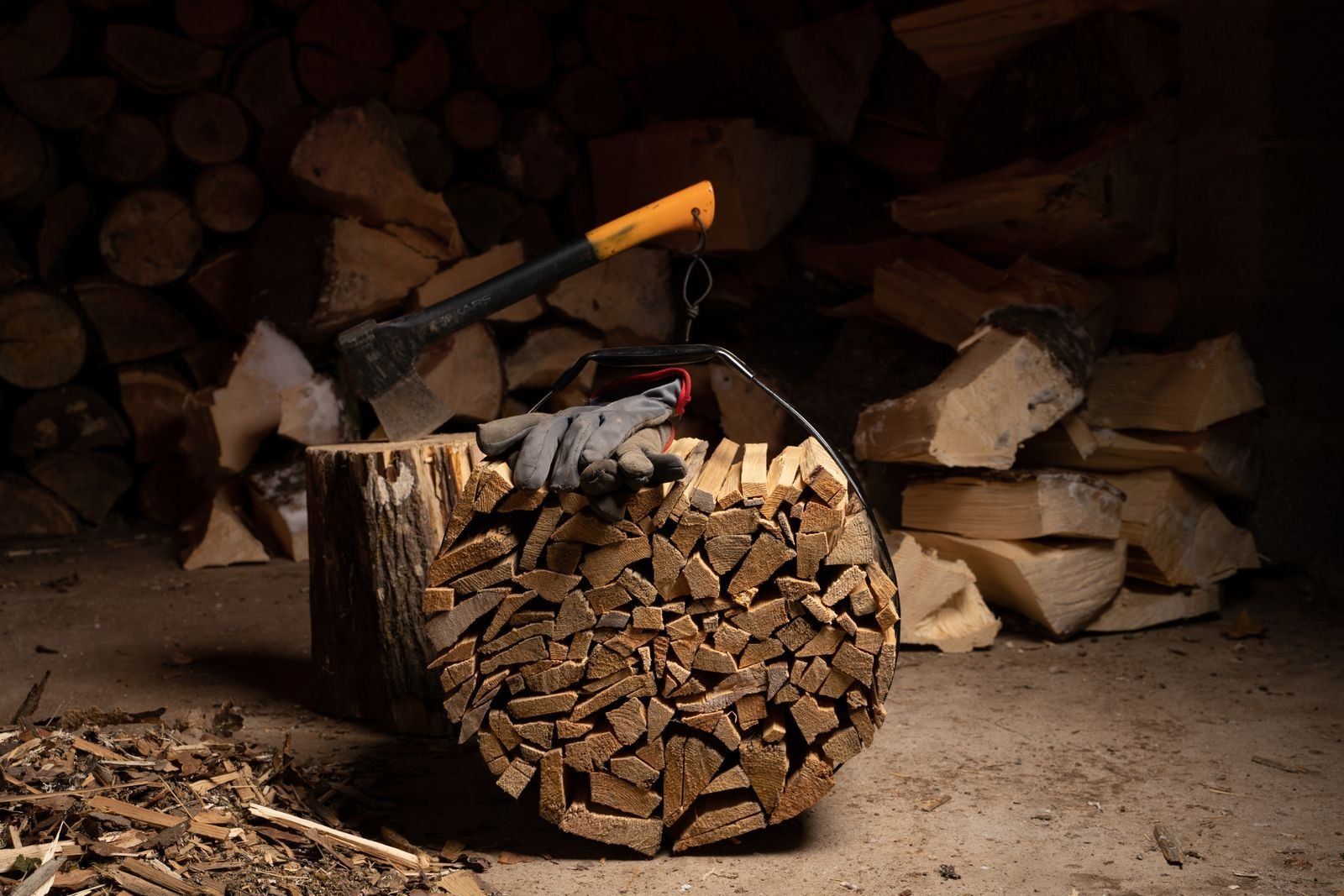
And while you're getting ready for winter, stock up on seasoned firewood. 1/6 cord is $274.12 and 1/3 cord is $548.24, delivered in the Akron-Cleveland area. Order firewood delivery here.